 Buy tickets
Search: Müpa
Söndörgő & Michael League, Chris Bullock and Jay Jennings - Balkáni dallamok és jazzimpró határok né Szép
Budapest, MüpaNow celebrating its 30th anniversary, Söndörgő is Müpa Budapest’s Ensemble of the Season, which means it will be giving several concerts that break with tradition in the course of the 2025-26 season. Among these will be an evening founded on international collaboration that features three outstanding musicians from the world-renowned progressive jazz-funk-fusion band Snarky Puppy: Michael League, Jay Jennings, and Chris Bullock.

Although the concept behind the productions has always been a mature one, over the years the Ring has been rejuvenated within the framework of a constant idea and reborn in the details. Another permanent feature is the conducting method - one combining humanism with perfectionism - of music director Ádám Fischer.

It has been a long time since we thought of Cécile McLorin Salvant as merely the promising winner of the 2010 Thelonious Monk International Jazz Competition. Her expressive voice capable of conveying profound emotions and refined sentiments, her virtuoso improvisation, and her brave, experimental combinations of styles have now come to represent a point of reference to a new generation.

Das Rheingold is the introduction to the storyline, depicting the central conflict. Starting from a primeval state of peace, the opera shows how the original sin was committed, triggering a chain of events that eventually lead to complete annihilation.

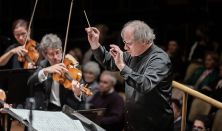
Program: Robert Schumann: Symphony No. 3 in E-flat major, Op. 97 (“Rhenish”) Richard Wagner: Die Walküre – Wotan's Farewell and Magic Fire Music

Robert Schumann 3. (Esz-dúr, „Rajnai”) szimfónia, Op. 97 Szünet Richard Wagner A walkür – Wotan búcsúja és tűzvarázs A koncert az Iván mesél sorozat része.
BACH / MESSIAEN / LIGETI / BEETHOVEN // Kodály Kórus / Keller J. S. BACH: Ricercar a 6 (A Musikalischen Opferből, Webern feldolgozásában) MESSIAEN: Les Offrandes oubliées LIGETI: Lux Aeterna BEETHOVEN: 9. szimfónia, op. 125

MESTERI HANGOK - Mendelssohn, Furtwängler/A. Abouzahra, Neeme Järvi Sz5
Budapest, MÁV Szimfonikus ZenekarMŰSOR Mendelssohn: e-moll hegedűverseny, op.64 Furtwängler: II. e-moll szimfónia KÖZREMŰKÖDIK Amira Abouzahra - hegedű VEZÉNYEL Neeme Järvi

Nagyszerű tanáregyéniség, méltatlanul elfeledett remekművek és kortárs kompozíciók ihletett felfedezője, a magyar zenésztársadalom egyik legkedveltebb kiválósága – Prunyi Ilona valamennyi minőségében megérdemli az ünneplést.

A rainbow of sounds from the orchestra, enigmatic dialogues and mysterious riddles. Not to mention a treacherous dwarf and a glorious young hero. Who after slaying a dragon and tasting its blood, is able to understand the prophetic singing of a bird. And then crosses through a wall of fire to discover both the woman who is his mate and, through his love for her, fear.

The dice and the stopwatch will be coming out again at the Béla Bartók National Concert Hall as it hosts another round of musical ‘battle’. When we talk about instrumental duels in the Hungarian capital these days, it is no longer necessarily Bach and Marchand, or even Liszt and Thalberg, that we are thinking of, because we have our own riveting concert series right here at Müpa Budapest.

Vártalak – Koncertköltészet a Tárkány Művekkel - Tárkány-Kovács Bálint szerzői estje meglepetés vend Szép
Budapest, MüpaTárkány-Kovács Bálint verseit elsősorban a Tárkány Művek lemezeiről ismerhette meg a közönség, ám ezek csupán három évtizednyi költészetének töredékét mutatják föl. Általában megzenésített versekről van szó, itt azonban olyan dalokról, amelyek megmaradtak versnek, mert ének helyett a beszéd maradt elsődleges médiumuk.

Pursuing happiness, love and affection through countless adventures across this great wide world, but still eventually finding a final peace in the arms of his beloved, Peer Gynt is one of the most complex characters in 19th-century drama.

Approx until: 9 pm


Known for her sensitive interpretation of roles, the Finnish soprano Camilla Nylund will once again demonstrate in this evening of lieder what an outstanding performer of the German repertoire she is.

A folyamatos túlterheltség, a nyugalom iránti reménytelen vágy és az ebből fakadó állandó feszültség mindannyiunk számára ismerős élmény – ám kevesen tudják olyan pontosan formába önteni mindezt, mint Gyuris Bence.

Let’s imagine the opera house is just a few steps from the church, because tonight is the night the organ pipes will bring the most thrilling moments of opera to life.

KÓSA, BARTÓK, SUGÁR – KOVÁCS JÁNOS Évadnyitó hangverseny Kocsis/1 Szép
Budapest, Hungarian National PhilharmonicApprox until: 9.45 pm

Miután a kétezres években meghódította az R’n’B világát – amit 14 Grammy-jelölés és egy Billboard Top 10-listás album is jelzett –, Ledisi mára a jazz egén is tündöklő csillaggá vált.

Many people were surprised when, after a successful two-year streak during which they won the A38 talent competition known as Talentométer and conquered stages across Europe, including Müpa Budapest, makrohang split up. They then caused another, more pleasant surprise with the news in 2023 that they would be reviving what they themselves call their “jazz for metalheads” sound.

Approx until: 9.50 pm

Approx. until: 9.30 pm



This programme is like a lavishly laid festive table set in the heart of Krakow: behind the dishes lie deep emotions, rich tradition and special musical seasonings. It kicks off with Stanisław Moniuszko’s fabulous fantasy overture, which combines a pinch of romance and a helping of fairy dust with lots of dramatic magic.

The MET’s contemporary highlight of the 2025-2026 season centres on, arguably, art history’s most famous painter couple, Frida Kahlo and Diego Rivera.

Frenk a hazai könnyűzenei színtér egyik legizgalmasabb és legsokszínűbb előadója, akinek dalaiban a rock, a pop, a funk, a sanzon, a klasszikus zene és a jazz nagyszerűen megfér egymás mellett.

Approx until: 9.10 pm

requiem a szerelemért Bemuató: 2025. Október 10. A Szegedi Kortárs Balett és a Müpa közös produkciója
Warning! The basket time limit is about to expire!
estimated time left:
00:00
item(s) in basket
total:
Time limit has expired. Please, put item(s) in to basket again.